
DRAGONFLY JOURNAL
Friends Getaway Ideas: 2 Copyable Itineraries and an Andalucía Retreat
Friends Getaway Ideas: 2 Copyable Itineraries and an Andalucía Retreat
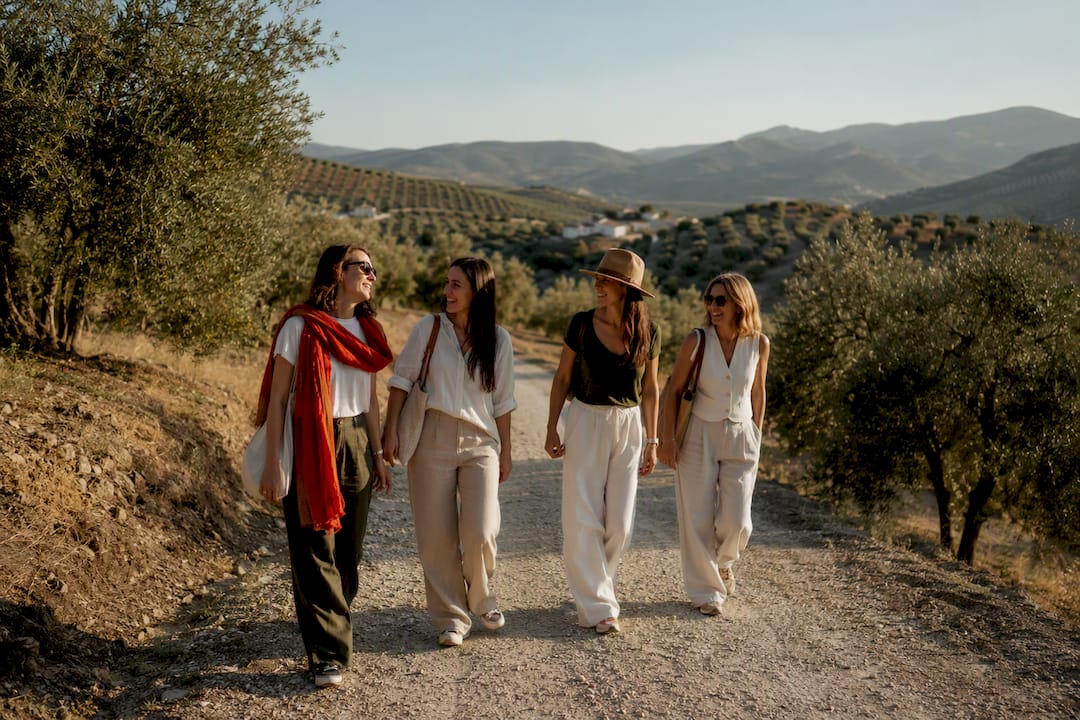
The best friends getaway ideas come down to matching the trip format to your group, not chasing the flashiest destination. A weekend city hub, a beach resort, a countryside villa or retreat, a short-hop road trip, or an activity-focused break all work well for adult friend groups, and for anything longer than a long weekend, picking one hub with a single short side-trip beats trying to cover ground across a whole region. The sections below break each format down with real examples, itinerary templates, and the planning details that stop a good idea turning into a logistical headache.
TL;DR:
- Group trips work best when the trip format matches the group’s energy levels, budgets, and interests, rather than simply choosing the most visually appealing destination.
- Planning should prioritize booking well in advance, with a clear budget split and roles assigned to avoid last-minute chaos and decision fatigue.
- Opting for a central hub with one short side-trip is more manageable than trying to cover multiple locations, especially for longer trips.
- Selecting accommodation with communal spaces, like private villas or shared cottages, encourages bonding and simplifies logistics.
- Incorporating one well-chosen shared activity each day, rather than a packed schedule, helps maintain a relaxed vibe and ensures memorable moments.
Table of Contents
- Friends getaway ideas by trip type
- How to choose accommodation for a group trip
- Activities that actually make a trip memorable
- How to plan a friends trip without the last-minute chaos
- Two sample itineraries you can copy
- A real example: group stays at The Dragonfly Retreat
- Useful resources for planning your trip
- Book a private group stay in Andalucía
- Sources
Friends getaway ideas by trip type
Group travel works best when everyone knows what kind of trip they signed up for before anyone books a flight. A city break, a beach week, and a countryside retreat ask very different things of a group, so it’s worth matching the format to your friends’ actual energy levels and budgets rather than the destination that looks best on Instagram.
City hub weekends
A walkable city with good public transport is the safest bet for a first group trip together, particularly if you haven’t travelled with this exact combination of people before. Short, local trips are a sensible way to test how a group actually travels before committing to something longer or more expensive, since personality clashes and pacing disagreements show up fast over 48 hours and are far easier to absorb than over a fortnight abroad, according to trip-planning guidance from Epic Travel Plans.
Good options include:
- Edinburgh or Brighton for a UK-based weekend with pubs, markets, and a compact centre that keeps everyone within walking distance of each other.
- Lisbon or Porto for slightly further afield, with cheap flights from most UK regional airports and a food and wine scene that suits mixed budgets.
- Seville as a southern Spain alternative that pairs beautifully with a longer Andalucía trip if some of the group want to extend the stay.
Booking tip: reserve a group-friendly apartment or a hotel with connecting or nearby rooms rather than scattering people across the city. Walkability matters more than most people plan for. UK weekend-break guides consistently point to cities with a compact, walkable core, such as Brighton, London, or Edinburgh, precisely because they stop a group splintering into smaller factions after the first evening.
Pro Tip: Book one shared taxi or minibus transfer from the airport or station rather than letting everyone arrange their own. It sounds minor, but it’s usually the first moment a group either bonds or starts bickering about money.
Beach and resort trips
Beach trips suit groups who want structured relaxation: pool time, a beach within reach, and evenings built around food rather than sightseeing. The Algarve, the Costa del Sol, and the Balearics all deliver on this without much planning effort, and shoulder-season dates (May, June, or late September) keep prices down while avoiding the peak-summer crowds.
For friends who want beach access without the resort-strip feel, a private house with a pool a short drive from the coast often works better than a hotel. It gives the group a shared base to cook, drink, and unwind in in between beach days, and it usually costs less per person than block-booking hotel rooms once you’re past six or seven people.
Countryside villas and private retreats
A private villa or retreat in the countryside suits groups who want space, quiet, and time together without the constant option of “going out” pulling everyone in different directions. Andalucía is particularly well suited to this style of trip: rolling countryside within striking distance of Málaga, a genuine slower pace, and enough going on nearby (markets, vineyards, whitewashed pueblos) to fill excursion days without needing a rental car for every outing.
This format works especially well for celebrations, milestone birthdays, or reunions where the point of the trip is each other’s company rather than ticking off sights.
Road trips and short-hop drives
Road trips give friend groups flexibility, but the trick is picking a manageable stretch of road rather than an ambitious full-country loop. Planners consistently recommend choosing one region of a longer route (a section of the Wild Atlantic Way, a loop through New England, or a stretch of the Andalucían coast) and building the trip around that, according to road-trip advice from travel writer Samantha Brown. Groups of four to six tend to manage a single hub with one day trip far better than a itinerary that moves hotels every night.
Budget-conscious road trips work well with a shared rental car, self-catered stops, and a rough daily distance cap of two to three hours’ driving. Anything more and half the group ends up asleep before you reach the next stop.
Adventure, nature, and activity-focused trips
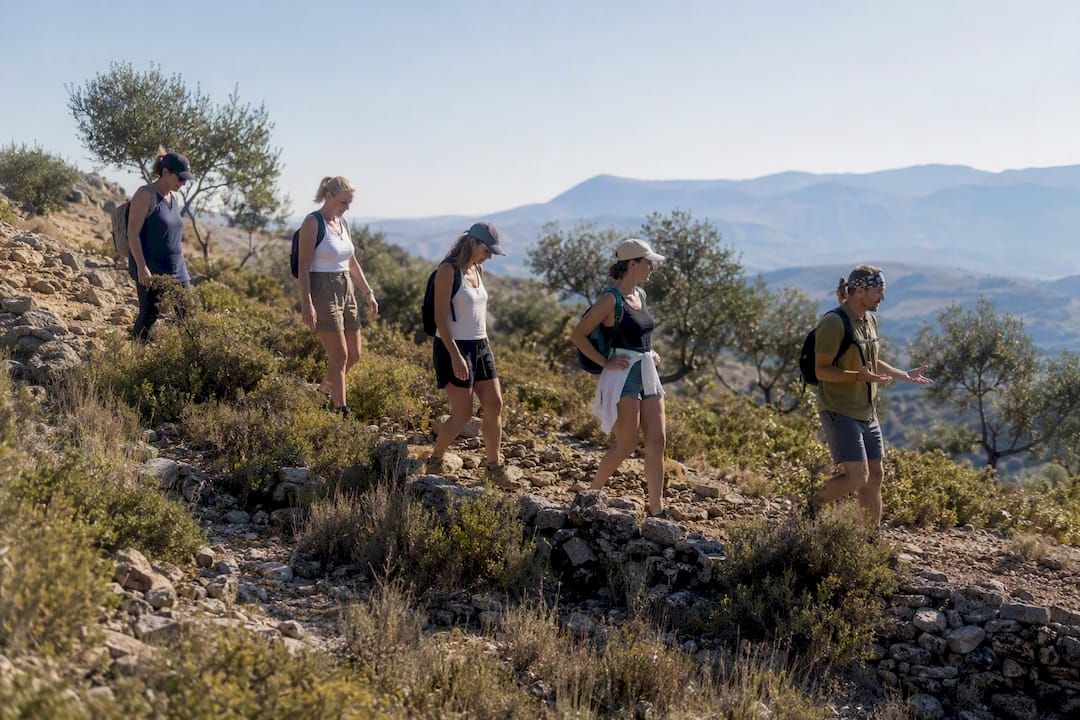
For groups who bond over doing rather than sitting, an activity-anchored trip (hiking, watersports, a cycling route, a cookery course) gives structure without feeling like an itinerary. These trips suit a countryside or coastal base with a mix of one planned activity a day and unstructured time either side of it.
Festival, food, and music-focused trips
Music festivals, food festivals, and wine regions make for a naturally social getaway because the itinerary is largely built for you. Andalucía’s flamenco festivals, local ferias, and its wine and tapas circuits all work well for a friends trip built around a shared calendar event rather than a fixed set of sights.
Micro-cruises and houseboats
A canal boat, a small river cruise, or a short-hop island-hopping ferry route suits groups who like the idea of “waking up somewhere new” without the packing and unpacking of a full road trip. It’s a niche option, but it removes almost all transport logistics once you’re aboard, which some groups value more than the destination itself.
Budget-conscious variants across all of these: travelling off-season, self-catering rather than eating out every meal, and sharing transport costs (one minibus rather than four taxis) routinely cut the per-person cost of any of these formats by a meaningful margin without anyone noticing the compromise.
How to choose accommodation for a group trip
The venue you pick shapes the whole trip more than the destination does. A hotel gives you convenience and staff on hand, but it rarely gives a group of six or eight friends anywhere to actually sit together outside their individual rooms. A private villa or retreat, a shared cottage, or a serviced apartment usually solves that problem, but each comes with its own trade-offs.
Private villas and retreats give you communal space (a garden, a pool, a kitchen, a terrace) that a hotel simply can’t. Everyone has their own room, but there’s always somewhere to gather without needing to book a table. The downside is that you’re usually self-catering or arranging meals in advance, and you need enough communal space that the group doesn’t feel cramped once everyone’s back from the day’s outing.
Hotels work when the group wants total flexibility on meals and check-in times and doesn’t mind fragmenting into pairs or trios for most of the day. They’re the safer choice for very large or loosely connected groups (a stag do with thirty guests, say) where private accommodation would be impractical.
Self-catered cottages or serviced apartments sit somewhere in between: more communal space than a hotel, less bespoke than a private retreat, and usually cheaper per head than either once you’re above four people.
Before you book anything, run through this checklist with whoever’s organising:
- How many bedrooms and bathrooms does the group actually need, and is anyone happy to share?
- Is there a genuine shared space (living room, garden, pool, terrace) or just bedrooms and a corridor?
- Is there a kitchen, and does anyone in the group actually want to cook?
- What’s the noise policy, and does it suit a group that wants a late evening?
- Is there a minimum-stay requirement, and does it match your dates?
- Are there age restrictions, and does everyone in the group clear them?
- What’s the deposit and cancellation policy, and who’s holding the group’s money?
Pro Tip: Ask the host or booking agent directly whether the property has hosted friend groups before, not just families. Their answer tells you a lot about whether the space (and the neighbours) will tolerate a lively evening.
Splitting the deposit evenly and early avoids the awkward chase-up two weeks before departure, and it’s worth reading the cancellation policy properly. Group bookings often have stricter terms than solo ones, particularly for private retreats booked months in advance.
Activities that actually make a trip memorable
The activities that stick in a group’s memory are rarely the ones that took the most planning. A shared cooking session, a slightly out-of-comfort-zone challenge, or one properly indulgent evening tends to outlast a packed sightseeing schedule in everyone’s memory of the trip. Research on friend-group travel backs this up: moderate shared challenges and curated activities, learning something new together, a guided hike, a class, tend to strengthen friendships more than passive downtime alone, according to reporting on friendship and shared travel experiences.

That doesn’t mean every hour needs a plan. It means one well-chosen shared moment a day does more for the group than five loosely attended options.
Ideas worth building a day around:
- A shared cooking class or paella evening gives the group a task to do together and a meal everyone helped make.
- A wine or vineyard tasting works for mixed-interest groups because it’s social without requiring energy or fitness.
- A creative workshop (pottery, photography, painting) suits groups who want a slower, hands-on day.
- A gentle outdoor challenge (a coastal walk, a bike ride, a kayak session) gives the more active members something to look forward to without excluding anyone unfit for a full hike.
- A themed evening (a fancy-dress dinner, a games night, a birthday surprise) costs almost nothing and reliably becomes the trip’s most-talked-about moment afterwards.
- A market or food-tour morning works well as a low-commitment activity that fits before or after a slower afternoon.
- A spa or pool afternoon gives introverts a legitimate reason to opt out of the day’s more social activity without feeling like they’re missing out.
Pro Tip: Schedule one active option and one low-energy option in the same time slot rather than picking a single activity for the whole group. It lets people self-select without anyone having to explain why they’d rather sit by the pool.
Pacing matters as much as the activities themselves. A trip that alternates one planned activity with a genuinely free afternoon works better for mixed groups than a schedule packed morning to night, because it gives extroverts their social fix and introverts their recovery time without either side feeling short-changed.
How to plan a friends trip without the last-minute chaos
Booking timelines, budgets, and transport are where most friend-group trips actually fall apart, not the destination choice. Getting these three things sorted early solves almost every problem that shows up later.
Timelines by trip length:
- Weekend trips: book accommodation and transport six to eight weeks ahead if you want any choice on price or location; anything closer and you’re paying peak rates for whatever’s left.
- Three-day trips: aim for two to three months out, particularly if the group needs to coordinate annual leave.
- Five to seven day trips: start four to six months ahead, especially for a private villa or retreat in peak season, since the best properties for larger groups book out early.
Budget framework: split costs into fixed items (accommodation, group transport, any pre-booked activities) and optional items (meals out, drinks, souvenirs, extra excursions). Agree the fixed costs before booking anything, then let people opt in or out of the optional extras. It avoids the resentment that builds when one person’s spending drags the group average up.
Roughly estimate per-person costs before you commit: accommodation split evenly, one shared transport cost (car hire, minibus, or transfers), and a rough daily spend for food and activities. Sharing that estimate with the group before booking prevents the “I didn’t realise it would cost this much” conversation that derails half-planned trips.
Transport and logistics: for anything over four days, pick one base and one short side-trip rather than moving hotels every couple of nights. Logistics get considerably simpler when a group picks a single hub with a manageable day trip attached, rather than trying to cross a region, according to group-trip planning research from QZ. Walkable destinations also reduce the chance of a group splintering into separate taxis and separate evenings, which is often where the “trip vibe” starts to fray.
If your friend group is geographically spread across the UK or further, agree a meeting point that’s realistic for everyone rather than defaulting to whoever has the biggest spare room. A central airport hub, a train-accessible city, or a fly-to-one-destination approach usually beats trying to coordinate five different starting points.
Assign roles early. A small group of defined roles, an organiser to hold the itinerary, a treasurer to manage shared costs, and an activities lead to book excursions, prevents decision fatigue and stops the same one or two people carrying the whole planning load, a pattern seen consistently in group-trip advice from experienced travel planners.
Settle these questions before you book anything:
- What’s the hard budget ceiling, and does everyone agree on it?
- Who’s holding the group’s money for deposits and shared costs?
- Are dietary needs or allergies going to shape where you eat or self-cater?
- Does anyone have accessibility needs that affect accommodation or activity choices?
- What’s the group’s appetite for late nights versus early starts?
Two sample itineraries you can copy
Weekend city hub (Friday evening to Sunday afternoon)
- Friday evening: arrive, drop bags, and head straight to a shared dinner booked in advance. Avoid planning anything else for the first night; travel fatigue makes early bedtime the more popular option than anyone admits beforehand.
- Saturday morning: a loose activity, a walking tour, a market, or simply breakfast somewhere good, followed by free time for people to split into smaller groups if they want to.
- Saturday afternoon: one shared booked activity (a tasting, a museum, a class) that the whole group commits to.
- Saturday evening: the big night out, dinner followed by drinks, or a themed evening if it’s a celebration trip.
- Sunday: a slow morning, brunch, and a mid-afternoon departure. Don’t schedule anything demanding on the last day; everyone’s running on less sleep than they intended.
Last-minute departure checklist: confirm transport times the night before, agree a meeting point and time in writing (not just verbally), share accommodation and emergency contact details with everyone, and check that anyone with dietary restrictions has flagged it to whoever’s booking the group dinner.
Five to seven day hub-and-spoke trip
- Day 1: arrive at the base (a villa, a retreat, or a central hotel), settle in, and keep the first evening low-key with a shared meal at the accommodation rather than heading straight out.
- Days 2 to 3: alternate one planned activity with free time; use the accommodation’s shared spaces (a pool, a garden, a terrace) for downtime between outings.
- Day 4: the single excursion day, a day trip to a nearby town, coast, or attraction, kept to one destination rather than a multi-stop tour.
- Days 5 to 6: more of the same rhythm: one shared activity, plenty of unscheduled time, and at least one evening built around a proper group meal.
- Day 7: a relaxed final day with light packing in the morning and a slow departure, avoiding the temptation to squeeze in one more excursion.
Packing and luggage strategy: for hub-and-spoke trips, pack one smaller day bag alongside your main luggage so the single excursion day doesn’t mean hauling full suitcases around. Agree a rough dress code for any planned evening (a celebration dinner, a themed night) in the group chat before you travel, so nobody arrives without the right outfit packed.
How much to plan versus leave free: aim for roughly half the days having one fixed activity and half left open. Over-scheduling a group trip is one of the most common ways relaxed getaways turn into stressful ones. Leave gaps for tiredness, weather changes, and the inevitable person who wants a slow morning.
A real example: group stays at The Dragonfly Retreat
The Dragonfly Retreat is a private venue set in the Andalucían countryside near Coín, a short drive from Málaga, and it’s a useful real-world illustration of how a countryside base can work for a friends getaway rather than a conventional hotel stay. The venue is designed for exclusive-use group bookings, with private bedrooms alongside shared indoor and outdoor communal spaces, a pool, and gardens, the exact combination that keeps a group together between planned activities rather than scattering everyone to separate hotel rooms.
For friends planning a trip built around each other’s company, that structure matters. A group can spend mornings around the pool or in the garden, come together for a shared meal such as a paella evening or a Mediterranean-style spread, and head out for a bespoke local excursion around Málaga or the wider Andalucía region without needing to coordinate multiple taxis or bookings separately.
Practical ways friend groups use a private retreat like this:
- Building each day around one shared meal rather than eating out separately every night.
- Using the garden and pool for genuinely unstructured downtime between excursions.
- Booking a single guided outing (a local market, a wine tasting, a photography session) rather than a packed sightseeing schedule.
- Treating the venue itself as the celebration space for a milestone birthday or reunion, rather than searching for a separate restaurant or bar each evening.
The Dragonfly Retreat works this way because it’s built for personalised group experiences rather than standardised hotel service, and groups interested in a bespoke quote can enquire directly for their dates and numbers.
Useful resources for planning your trip
- Best group trip destinations — a solid primer on why single-hub trips beat multi-stop itineraries for groups.
- 30 best trips with friends — itinerary ideas and practical planning advice across a range of budgets.
- Road trip ideas by region — useful if you’re leaning towards a drive-based getaway.
- Private cultural excursions — an example of bespoke, guided experiences for small groups.
- Dragonfly Retreat — for enquiries about private group stays in Andalucía.
Book a private group stay in Andalucía
If the idea of a shared villa with a pool, a garden, and space for everyone to actually be together appeals more than block-booking hotel rooms, The Dragonfly Retreat gives friend groups exclusive use of a private countryside venue near Coín and Málaga, rather than a room-by-room hotel stay where the group inevitably fragments after dinner.
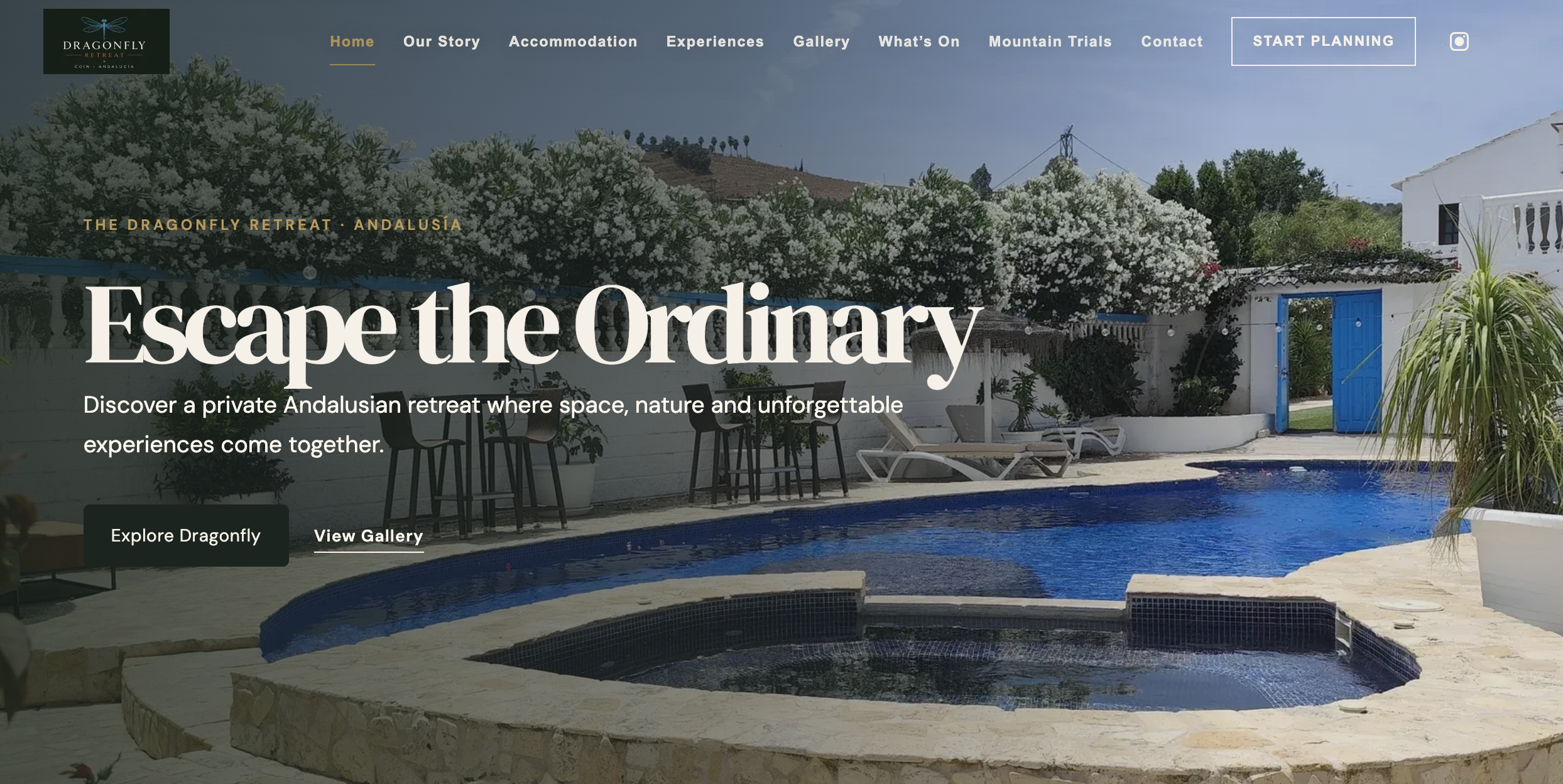
What sets a stay here apart from arranging a trip piecemeal is the personalisation: Mediterranean food, a paella evening, wine tasting, art, photography, and nature-based activities can all be built into your dates rather than booked separately once you arrive. That takes the coordination load off whoever in your group usually ends up organising everything, and it means the whole trip, meals, activities, and downtime, happens in one place rather than across a scattered itinerary.
If you’re planning a celebration, a reunion, or simply a proper break with your closest friends, get in touch with The Dragonfly Retreat to enquire about dates, group size, and a bespoke quote for your stay.
Sources
- Best group trip destinations (QZ)
- Friends vacations strengthen bonds (Fatherly)
- Epic road trip ideas and hub advice (Samantha Brown)
- 30 best trips with friends (Epic Travel Plans)