
DRAGONFLY JOURNAL
Authentic Non Alcoholic Spanish Drinks: Order and Serve in Andalusia
Authentic Non Alcoholic Spanish Drinks: Order and Serve in Andalusia
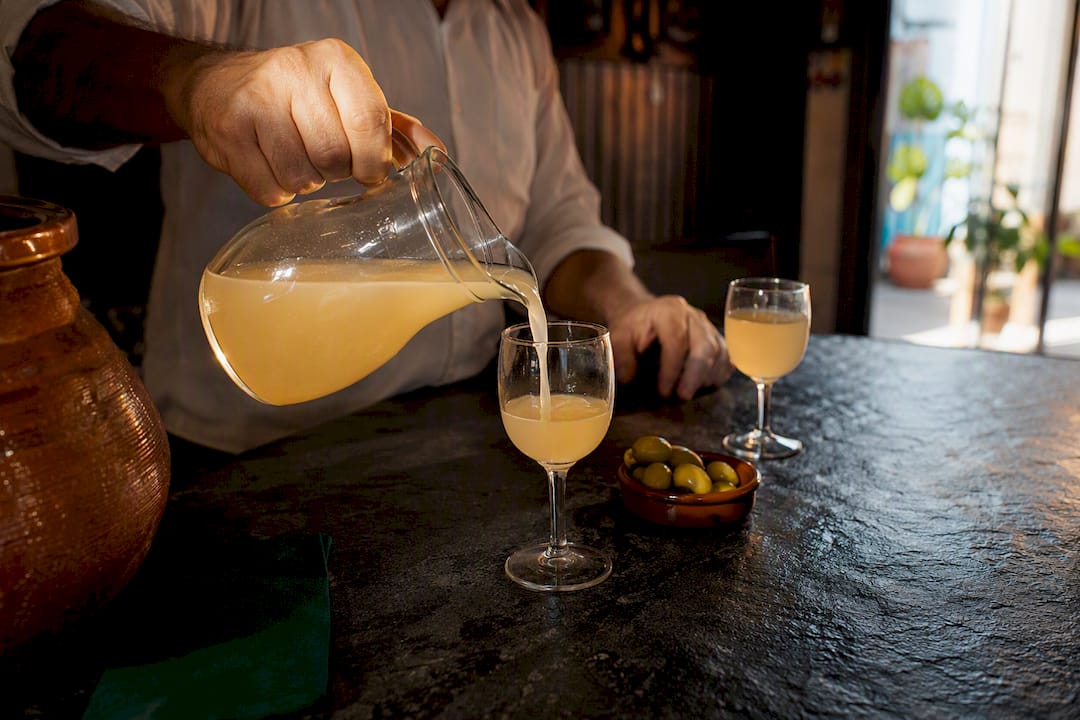
Spain’s non-alcoholic drinks scene runs far deeper than fizzy water and orange juice. You’ll find horchata made from tiger nuts, unfermented grape juice called mosto, thick winter hot chocolate, alcohol-free beer on tap, and dealcoholised cava for toasting. Bars and cafés across the country serve most of these without a second glance, and a handful of Spanish phrases will get you exactly what you want, whether that’s a granizado on a Málaga terrace or una sin at aperitivo hour.
TL;DR:
- Mosto is unfermented grape juice popular in northern Spain, often served chilled with tapas and treated as a serious drink.
- Alcohol-free beers like San Miguel 0,0 are widely available on tap and pair well with seafood and salty tapas, but expect lighter body and less finish.
- Horchata and granizados are key summer beverages, with authentic horchata made from tiger nuts tasting markedly better than bottled versions.
- Non-alcoholic aperitifs like Casals Zero and dealcoholised cava such as Freixenet 0,0 allow for celebratory toasts without alcohol, emphasizing complexity over sweetness.
- Ordering tap water politely by asking “¿Me pone un agua del grifo?” generally yields better results than blunt requests, especially in tourist areas.
Table of Contents
- Must-try non alcoholic drinks Spain travellers order most
- Water and soft drinks: still versus sparkling, and what you’ll actually pay
- Fruit juices, mosto, and non alcoholic sangria alternatives
- Horchata, granizados and the summer drinks that define Valencia
- How to order coffee and iced coffee like a local
- Non alcoholic aperitivo drinks and mocktails worth ordering
- Alcohol-free beer and dealcoholised cava: what to expect
- Warm classics for cooler months: chocolate, leche merengada and spiced mosto
- Essential Spanish phrases and etiquette for ordering
- Where to find these drinks in Andalucía
- Serving Spanish non-alcoholic drinks for group stays
- Sources
Must-try non alcoholic drinks Spain travellers order most
Some drinks you’ll spot on every corner; others need a specific request. This shortlist covers the ones worth knowing before you sit down at a bar.
- Agua (sin/con gas) — still or sparkling water, the default order anywhere. Best any time of day. Ask: “Agua sin gas, por favor.”
- Zumo natural — freshly squeezed juice, usually orange. Best at breakfast. Ask: “¿Tiene zumo de naranja natural?”
- Mosto — unfermented grape juice, a tapas-bar staple in northern Spain. Best with lunch or tapas. Ask: “Un mosto, por favor.”
- Horchata (orxata) — chilled tiger nut milk, a Valencian classic. Best on a hot afternoon. Ask: “Una horchata, por favor.”
- Granizado — crushed-ice slush, usually lemon or coffee. Best mid-summer. Ask: “Un granizado de limón.”
- Limonada — Spanish-style lemonade, sometimes lightly fizzy. Best as a terrace refresher. Ask: “Una limonada, por favor.”
- Café con hielo — hot espresso poured over ice. Best after a summer lunch. Ask: “Un café con hielo.”
- Leche merengada — cinnamon-scented milk dessert drink. Best in warmer months, served icy. Ask: “Una leche merengada.”
- Una sin — alcohol-free beer, widely available on tap. Best at aperitivo hour. Ask: “Una sin, por favor.”
- Cava/vino sin alcohol — dealcoholised sparkling wine or wine. Best for celebrations or toasts. Ask: “¿Tienen cava sin alcohol?”
Water and soft drinks: still versus sparkling, and what you’ll actually pay
Order “agua” in Spain and you’ll get still water by default, almost always bottled rather than tap. If you want bubbles, say “agua con gas”; for still, “agua sin gas” removes any ambiguity. Waiters rarely bring tap water unaided, and in some bars and restaurants asking for it outright can get a puzzled look or a polite refusal, particularly in tourist-heavy areas where bottled water is part of the standard service.
Spaniards use brand names almost like generic terms. Vichy Catalán refers to a specific mineral water known for its salty, mineral-heavy fizz, while La Casera has become shorthand for a light lemon-flavoured soda often mixed with wine to make tinto de verano. Schweppes and Coca-Cola need no introduction, but you’ll also see them offered as “con gas” mixers in cafés.
- “Una botella de agua con gas, por favor” (a bottle of sparkling water, please)
- “¿Me pone un agua del grifo?” (can I get some tap water, literally “from the tap”)
- “La Casera, por favor” (a light lemon soda, often served solo or as a mixer)
- “Un Vichy Catalán” (for the distinctive mineral fizz)
Expect a small charge for bottled water on most bills, typically listed separately even with a set-price menu. Tap water is legal to request and perfectly safe to drink in most of Spain, but framing the request matters.
Pro Tip: Asking “¿Tienen agua del grifo, por favor?” with a smile gets a far better response than a blunt demand. Some venues will bring it happily; others may explain they only serve bottled. Either way, staying polite avoids any awkwardness.
Fruit juices, mosto, and non alcoholic sangria alternatives
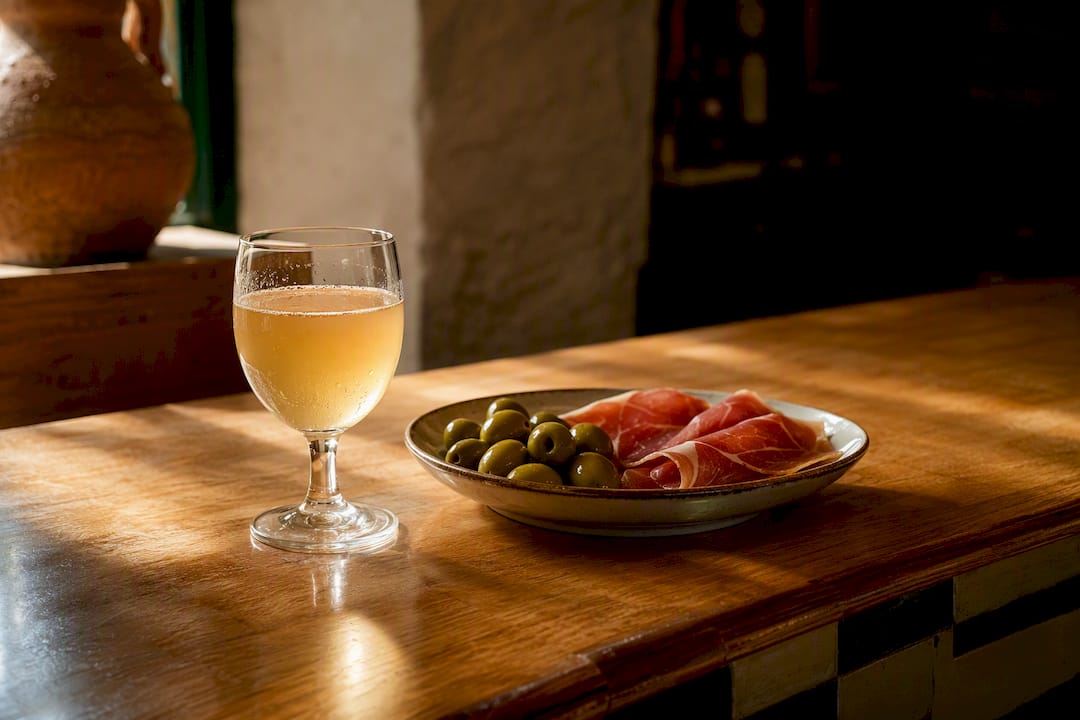
Mosto is grape juice, but not the sweet stuff from a supermarket carton. It’s fresh, unfermented grape must, often slightly cloudy and tannic in character, and it’s especially common in La Rioja and other wine-growing regions where the grape harvest defines the local drinking culture. Order it in a tapas bar and it typically arrives in a small wine glass, served chilled alongside olives or jamón, treated with the same seriousness as a glass of red.
Non-alcoholic versions of sangria and tinto de verano have become genuinely easy to find, particularly in restaurants used to serving larger groups or families. The base is usually a red grape juice or mosto, lengthened with lemon soda or sparkling water, then finished with the same garnishes as the alcoholic original: orange slices, a cinnamon stick, sometimes a splash of pomegranate for colour. The result tastes closer to a fruit punch than a compromise, which is part of why it’s grown so popular at weddings and family lunches where not everyone drinks.
Fresh juice deserves its own distinction from the bottled stuff. “Zumo natural” means freshly squeezed, almost always orange, and it’s worth the extra euro or two over a carton version, especially at breakfast. If a menu just says “zumo” without specifying, ask directly:
- “¿Es zumo natural o de bote?” (is that fresh-squeezed or from a bottle?)
- “Un mosto tinto, por favor” (a glass of red grape mosto)
- “Sangria sin alcohol, si tiene” (non-alcoholic sangria, if you have it)
- “Tinto de verano sin alcohol” (the alcohol-free version of the lemon-soda classic)
Horchata, granizados and the summer drinks that define Valencia
Horchata de chufa comes from the chufa, a small tiger nut grown almost exclusively around Valencia, and the drink it produces has a nutty sweetness that bears no relation to the cinnamon-rice version found in parts of Latin America. The genuine article is thick, pale, and served ice-cold, traditionally alongside fartons, the long sugared pastries made for dunking. Horchaterías, dedicated shops selling little else, remain the most authentic source, and the difference between artisan horchata made fresh that morning and the bottled supermarket version is noticeable within the first sip. Bottled brands are perfectly drinkable and useful when a horchatería isn’t nearby, but they trade some of that fresh, grassy sweetness for shelf stability.
Granizados sit alongside horchata as the other great Spanish summer cooler, essentially a finely crushed ice slush flavoured with lemon, coffee, or seasonal fruit. Lemon granizado is the classic, tart enough to cut through midday heat, while coffee versions work well as an afternoon pick-me-up rather than a dessert.
For anyone hosting a group in southern Spain during the warmer months, both drinks batch well:
- Make horchata or granizado bases a day ahead and store in sealed jugs in the fridge, never the freezer, which splits the texture.
- Serve granizados within an hour of blending for the best consistency, since they melt into slush quickly in Andalusian heat.
- Chill glasses beforehand. It sounds small, but it keeps both drinks colder for longer during a long lunch.
Pro Tip: If you’re organising drinks for a group, buy horchata from a local producer rather than the supermarket shelf brand where possible. The flavour difference is noticeable, and it gives guests a proper taste of the region rather than something they could find at home.
How to order coffee and iced coffee like a local
Ask for “un café” in Spain and you’ll get a straight espresso, no milk, no fuss. That catches plenty of visitors out who expect something closer to an Americano. If you want a fuller cup, “café con leche” is espresso with warm milk in roughly equal measure, the standard breakfast order across the country. “Cortado” splits the difference: a shot of espresso softened with just a splash of milk, popular after lunch when a full milky coffee feels too heavy.
“Café con hielo” deserves special mention because the ritual matters as much as the drink. You’ll usually get a hot espresso and a glass of ice served separately, and you pour the coffee over the ice yourself, letting it cool and dilute slightly as it hits the cubes. Sugar typically arrives on the side in paper sachets rather than pre-added, so stir it into the hot espresso before pouring if you want it properly dissolved.
- “Un café con leche, por favor” (coffee with milk, the breakfast standard)
- “Un cortado” (a small, milk-softened espresso, good after eating)
- “Un café con hielo” (iced coffee, served hot and cold to combine yourself)
- “Un café del tiempo” (a coffee served at room temperature, useful in high heat)
- “Sin azúcar” (without sugar, if you’d rather skip the sachet altogether)
Reach for a cortado mid-afternoon, café con leche at breakfast, and café con hielo whenever the temperature climbs past anything comfortable.
Non alcoholic aperitivo drinks and mocktails worth ordering
Spain’s aperitivo hour, that pre-lunch or pre-dinner ritual of a short drink and a small plate, has quietly built its own non-alcoholic category. Kas and Bitter Kas have long served as the classic alcohol-free bitter aperitif, orange-toned and slightly herbal, sipped from a small glass exactly as a vermouth would be. More recently, dedicated alcohol-free vermouth alternatives have entered the market, with Casals Zero built specifically to keep the botanical bitterness and herbal depth of a proper vermut, rather than settling for a sweetened soft-drink substitute.
The same shift is happening at the sparkling end of the menu. Tempera’s ETERNA II is marketed as a gourmet effervescent alternative to sparkling wine, built for aromatic complexity rather than simple fizz, while producers of dealcoholised cava such as Cosecha Zero and Freixenet’s 0,0 Sparkling Rosé have made toasting without alcohol a genuine option rather than an afterthought.
The mocktail complexity signal: background hospitality practice suggests non-alcoholic drinks succeed at the aperitivo table specifically when they carry a bitter or tannic edge, something like brewed hibiscus or black tea, rather than leaning on straight sugar and fruit syrup.
If you’re building your own at home or briefing a bartender, ask for depth over sweetness:
- Request a splash of premium tonic instead of lemonade for bitterness without extra sugar.
- Ask for a brewed tea base, such as a hibiscus or black tea from a supplier like Yugen Teas, to add tannic structure.
- Have citrus peel expressed over the glass rather than just squeezed in, which lifts the aroma noticeably.
- Choose Casals Zero or a similar botanical alternative over a plain soda when you want something that reads as a proper aperitivo, not a consolation prize.
Spanish bar culture is increasingly comfortable with this category, and Foods & Wines from Spain has documented leading Madrid bars bottling and carbonating their own non-alcoholic cocktails to keep them fresh and consistent, treating them with the same seriousness as a classic cocktail menu.
Alcohol-free beer and dealcoholised cava: what to expect
“Una sin” is the phrase you need for alcohol-free beer, and it’s now common enough that most bars stock it on tap alongside the regular lager, not just in bottles from the fridge. San Miguel 0,0 is one of the most widely available examples, marketed with malty notes and a moderate bitterness that the producer positions as a genuine pairing partner for seafood and grilled dishes rather than a diluted stand-in.
What “0,0” actually means: in Spain, “0,0” on a label signals a beer or wine brewed or produced normally, then had its alcohol removed, rather than one that was never fermented, which is why producers can still claim meaningful flavour retention.
Dealcoholised cava and wine follow a similar logic. Freixenet’s 0,0 Sparkling Rosé and Maset’s Cosecha Zero both use dealcoholisation methods designed to preserve grape aroma and, in Maset’s case, retain more of the antioxidant content that fermentation and alcohol removal would otherwise strip out. Neither tastes identical to its alcoholic counterpart, but both are built to hold their own at a celebration rather than sit apologetically at the edge of the table.
For pairings, treat these much as you would the alcoholic originals:
- Alcohol-free beer works well with grilled fish, prawns, and salty tapas like patatas bravas.
- Dealcoholised cava suits the same moments as regular cava: toasts, celebrations, and lighter seafood starters.
- Set your expectations for a lighter body and slightly less lingering finish than the alcoholic version, particularly in wine.
Warm classics for cooler months: chocolate, leche merengada and spiced mosto
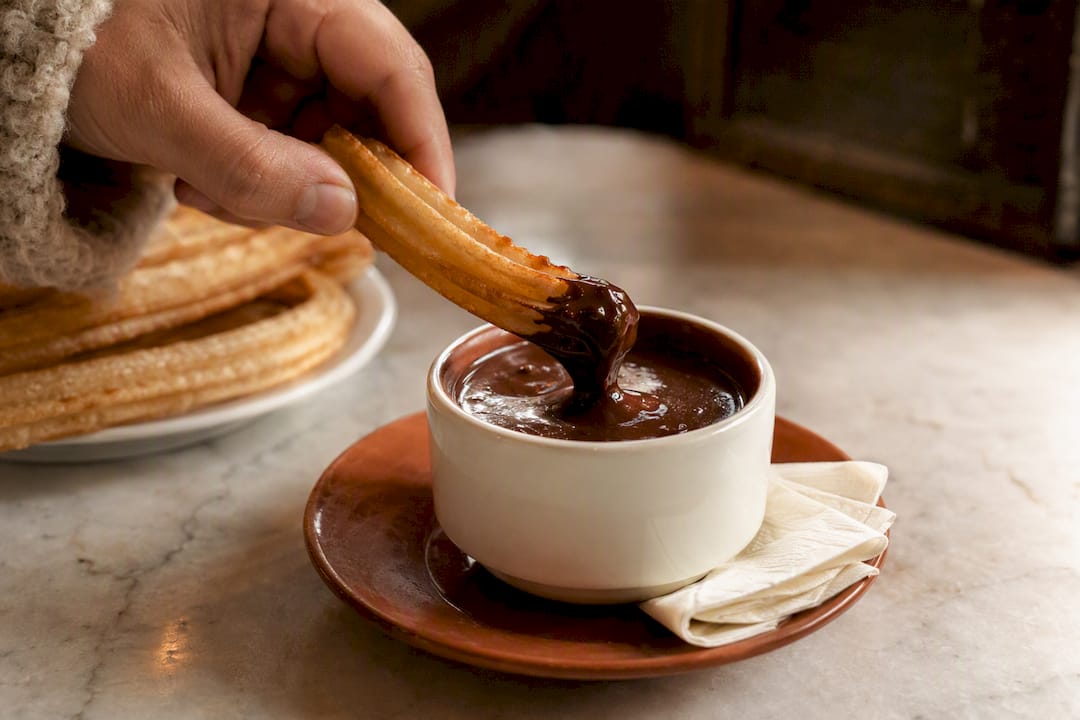
Spanish hot chocolate bears little resemblance to a cocoa sachet. It’s thick, almost pudding-like, made to be dipped rather than sipped, and it’s traditionally served alongside churros for a late breakfast or an evening treat, especially in the cooler months around Andalucía’s winter.
Leche merengada, usually thought of as a summer drink for its icy texture, has a warm cousin in some households and traditional cafés: a gently spiced, cinnamon-and-lemon-zest milk drink served hot rather than frozen. Warm spiced mosto appears in a similar seasonal role, grape juice lightly heated with cinnamon and citrus peel, a non-alcoholic answer to mulled wine that turns up at Christmas markets and family gatherings.
Hosting either at a gathering is straightforward:
- Serve hot chocolate in small cups, since its density means guests rarely want a full mug.
- Keep churros or thin biscuits alongside for dipping rather than serving the chocolate alone.
- Warm spiced mosto works well in a slow cooker on low heat, kept topped up through an evening rather than reheated repeatedly.
Essential Spanish phrases and etiquette for ordering
Knowing a handful of exact phrases removes almost all the friction from ordering non-alcoholic drinks anywhere in Spain, from a Málaga tapas bar to a village café in the Andalusian hills.
- “Una sin, por favor” — a non-alcoholic beer, the most useful phrase in this entire list.
- “Agua con gas / sin gas” — sparkling or still water, always worth specifying.
- “¿Tiene zumo de naranja natural?” — asking whether fresh orange juice is available.
- “Sin azúcar” — without sugar, useful for coffee or tea.
- “Para llevar” — to take away, handy for a quick granizado on the move.
- “¿Tienen alternativas sin alcohol?” — do you have alcohol-free alternatives, a good catch-all at aperitivo hour.
- “La cuenta, por favor” — the bill, please, once you’re ready to move on.
Bottled water nearly always appears as a separate line on the bill, even with set-price lunch menus, so don’t be surprised to see it itemised. If you’d rather have tap water, ask politely rather than assuming it’s automatic; some venues serve it without comment, others will explain their house policy.
Aperitivo hour and the sobremesa that follows a meal, that unhurried stretch of conversation after the plates are cleared, are both entirely comfortable to sit through without alcohol. Ordering a mosto, a vermut sin, or simply a coffee draws no attention at all. Declining a round is as easy as saying “Para mí, un agua” (just water for me) with no explanation required.
Pro Tip: If you’re the only one at the table not drinking, order something that arrives in a proper glass, a mosto or an alcohol-free vermouth rather than a plain soda. It keeps you part of the ritual without anyone needing to comment on it.
Where to find these drinks in Andalucía
Different venues specialise in different drinks, and knowing which is which saves a lot of wasted searching. Horchaterías are your best bet for proper horchata, particularly busy through the hottest stretch of summer from June to September. Tapas bars are the natural home for mosto, usually poured straight from a bottle behind the counter rather than listed on a formal menu. Supermarkets across Andalucía now stock a reasonable range of alcohol-free beer and, closer to Christmas and New Year, dealcoholised cava, though the selection widens noticeably in the run-up to the festive season.
For anyone hosting a group in southern Spain, a little planning goes a long way:
- Source horchata from a local producer or horchatería rather than a supermarket brand for a more authentic result.
- Order dealcoholised cava in advance of a celebration, since stock can be seasonal and limited outside the Christmas period.
- Ask local tapas bars directly about mosto availability. It’s rarely printed on menus but almost always on hand if you ask.
Serving Spanish non-alcoholic drinks for group stays
At The Dragonfly Retreat, near Coín in the Andalusian countryside outside Málaga, guests gathering for a retreat, celebration, or corporate stay often want drinks that feel distinctly of the region, not an afterthought bolted onto the wine list. A simple non-alcoholic spread works well across a multi-day stay: horchata or mosto for lunch, a dealcoholised cava for a toast on arrival or departure, a craft mocktail built around bitters or brewed tea for evening gatherings, café con hielo for hot afternoons, and thick hot chocolate for a cooler morning.
Presentation matters more than people expect. Chilled glasses, a small dish of citrus peel or fresh herbs for garnish prepped ahead of time, and batching horchata or mosto the morning of an event all make a noticeable difference to how the drinks land with a group. Organisers planning a retreat or private group stay in Andalucía can find more on how The Dragonfly Retreat hosts curated group experiences, including food and drink planning tailored to the occasion.